Understanding Big & Tall Sizing
Big & Tall sizing caters to men exceeding standard measurements, offering comfortable and stylish options․ This guide clarifies the nuances of finding well-fitting apparel, ensuring confidence․
Big sizes typically range from 1X to 5X, based on chest and waist measurements, while Tall sizes address longer torsos and limbs, denoted by LT, XLT, and beyond․
Navigating this world requires understanding specific charts and recognizing brand variations, ultimately leading to a more satisfying shopping experience for every man․
What Defines Big & Tall?
Big & Tall sizing isn’t simply about larger numbers on a tag; it’s a recognition that standard clothing sizes often don’t accommodate all body types․ Traditionally, “Big” refers to men with larger chest and waist measurements, generally starting around a 46-inch chest or a 44-inch waist, and extending upwards․
These sizes, denoted as 1X, 2X, 3X, 4X, and 5X, are designed to provide a more comfortable and proportionate fit for broader builds․ Simultaneously, “Tall” sizing addresses men with longer torsos and limbs, who find that regular-sized clothing is often too short in the sleeves, legs, or body length․
Tall sizes are indicated by suffixes like LT (Large Tall), XLT, 2XLT, and so on․ Essentially, Big & Tall caters to men who need both increased width and length in their clothing, offering a solution where standard sizing falls short; It’s about fit, proportion, and feeling confident in your clothes․
The Challenges of Finding the Right Fit

For big and tall men, finding clothing that truly fits can be a frustrating experience․ Traditional retail often lacks comprehensive Big & Tall sections, limiting options and requiring extensive searching․ Even when options exist, inconsistent sizing across brands presents a significant hurdle․ A 2X in one store might fit like a 3X elsewhere, leading to returns and wasted time․
Many brands historically haven’t prioritized adventurous styles or modern cuts in larger sizes, often defaulting to baggy, ill-fitting garments․ This lack of variety can make it difficult to find clothing that reflects personal style․ Online shopping, while offering a wider selection, introduces the challenge of accurately assessing fit without trying items on․
Ultimately, the core challenge lies in the industry’s historical focus on “average” sizes, leaving big and tall men underserved and often forced to compromise on fit and style․
Decoding Men’s Big Sizes
Big sizes extend beyond standard ranges, typically starting at 1X and going up to 5X, determined by chest and waist measurements for a comfortable fit․
Big Size Chart: Chest Measurements
Understanding chest measurements is crucial for selecting the correct big size․ A properly fitted shirt or jacket should comfortably accommodate your chest without feeling restrictive or appearing overly tight․ Here’s a breakdown of typical chest measurements associated with common big sizes:
- Big 1X: Generally corresponds to a chest measurement of 46-48 inches (116․8-121․9 cm)․
- Big 2X: Typically fits a chest circumference of 50-52 inches (127-132․1 cm)․
- Big 3X: Designed for chests measuring 54-56 inches (137․2-142․2 cm)․
- Big 4X: Accommodates chest sizes ranging from 58-60 inches (147․3-152․4 cm)․
- Big 5X: Intended for individuals with a chest measurement of 62-64 inches․
Remember, these are general guidelines, and variations can occur between brands․ Always consult the specific size chart provided by the retailer for the most accurate fit․ Measuring your chest accurately with a flexible tape measure is essential for a successful purchase․
Big Size Chart: Waist Measurements
Accurate waist measurement is paramount when choosing big sizes, ensuring comfortable and flattering fit in pants, shorts, and even some shirts․ Unlike chest measurements, waist sizes often differ significantly between brands, so referencing specific charts is vital․ Here’s a general overview:
- Big 1X: Typically corresponds to a waist size of 44-46 inches․
- Big 2X: Generally fits a waist circumference of 48-50 inches․
- Big 3X: Designed for waists measuring 52-54 inches․
- Big 4X: Accommodates waist sizes ranging from 56-58 inches․
- Big 5X: Intended for individuals with a waist measurement of 60-62 inches․
It’s crucial to measure your natural waistline – usually the narrowest part of your torso – with a flexible tape measure․ Don’t pull the tape too tight, and ensure it’s level all the way around․ Remember to check the brand’s size guide for precise details․
Understanding 2X, 3X, 4X, and 5X
The 2X, 3X, 4X, and 5X designations in big sizing represent increasing levels of fullness, primarily catering to larger chest and waist measurements․ These sizes aren’t standardized across all brands, creating potential inconsistencies․ However, a general understanding can guide your selections․
- 2X typically fits chest measurements between 50-52 inches․
- 3X generally accommodates chests ranging from 54-56 inches․
- 4X is designed for chest sizes of 58-60 inches․
- 5X caters to individuals with chests measuring 62-64 inches․
Beyond chest size, consider the overall fit․ Some brands offer a more generous cut than others․ Always consult the specific brand’s size chart, paying attention to both chest and waist measurements․ Don’t assume a 3X in one brand will fit the same as a 3X in another․

Navigating Tall Sizes
Tall sizes address longer torsos and limbs, ensuring proper proportions and comfort․ These are indicated with ‘LT’, ‘XLT’, and beyond, offering extended sleeve and inseam lengths․
Understanding these designations is crucial for a flattering fit, avoiding the common issues of shirts and pants being too short for taller men․
Tall Size Chart: Sleeve Lengths
Accurate sleeve length measurement is vital for a polished appearance in tall men’s shirts and jackets․ A properly fitted sleeve should reach the base of the thumb when the arm is relaxed and slightly bent․ This chart provides a general guideline, but variations exist between brands․
Here’s a breakdown of typical sleeve lengths corresponding to Tall sizes:
- LT (Large Tall): Approximately 34-35 inches․
- XLT (Extra Large Tall): Around 35-36 inches․
- 2XLT (2X Large Tall): Typically 36-37 inches․
- 3XLT (3X Large Tall): Generally 37-38 inches․
- 4XLT (4X Large Tall): Usually 38-39 inches․
- 5XLT (5X Large Tall): Approximately 39-40 inches․
Remember to always consult the specific brand’s size chart, as these measurements can differ․ When in doubt, it’s often better to size up slightly and have the sleeve professionally tailored for a perfect fit․ Prioritizing the correct sleeve length elevates the overall look and comfort of your attire․
Tall Size Chart: Inseam Measurements
Finding the correct inseam is crucial for tall men’s pants, ensuring a comfortable and proportionate fit․ Inseam refers to the distance from the crotch to the bottom of the pant leg․ Accurate measurement prevents dragging or overly short trousers;
Here’s a general guide to inseam lengths based on Tall sizes:
- LT (Large Tall): Typically 32-34 inches․
- XLT (Extra Large Tall): Around 34-36 inches․
- 2XLT (2X Large Tall): Generally 36-38 inches․
- 3XLT (3X Large Tall): Usually 38-40 inches․
- 4XLT (4X Large Tall): Approximately 40-42 inches․
- 5XLT (5X Large Tall): Often 42-44 inches․
Always check the brand’s specific size chart, as variations are common․ Measure your inseam while wearing shoes similar to those you’ll typically pair with the pants․ A slight break – a small crease where the pant leg meets the shoe – is generally considered a classic and flattering look․
LT, XLT, 2XLT, 3XLT, 4XLT, 5XLT – What Do They Mean?
These designations indicate Tall sizes, addressing men with longer torsos․ The “T” signifies “Tall,” while the preceding letters denote the size – Large, Extra Large, and so on․ These sizes aren’t solely about height; they combine chest/waist size with extended length․
LT (Large Tall) suits men needing extra length in shirts and pants alongside a Large build․ XLT (Extra Large Tall) builds on this, offering both increased size and length․ This pattern continues with 2XLT, 3XLT, 4XLT, and 5XLT, progressively accommodating larger builds and longer frames․
Generally, XLT corresponds to a sleeve length of 34-35 inches, increasing by roughly an inch with each subsequent “X․” Similarly, inseam lengths increase․ Always consult the specific brand’s chart, as sizing can vary․ These designations ensure a proportionate fit, avoiding shirts that are too short or pants that are too high-watered․
Key Measurements for Accurate Sizing
Precise measurements are crucial for a perfect fit in big & tall clothing․ Knowing your chest, waist, sleeve length, and inseam ensures optimal comfort and style․
Accurate self-measurement, or professional assistance, eliminates guesswork and reduces returns, leading to a more satisfying shopping experience for every man․
How to Measure Your Chest
Accurately measuring your chest is the foundational step in determining your correct shirt size within big & tall sizing․ Begin by standing naturally with your arms relaxed at your sides․ Do not pull your shoulders back or puff out your chest, as this will distort the measurement․
Wrap a flexible measuring tape around the fullest part of your chest, typically across the nipples and shoulder blades․ Ensure the tape is level all the way around your body, and that it’s snug but not constricting – you should be able to comfortably slide a finger underneath the tape․
Take a deep breath and exhale normally while taking the measurement․ Record the measurement in inches․ If the measurement falls between sizes, it’s generally recommended to size up for a more comfortable fit, especially in big sizes․ Repeat the measurement a couple of times to ensure consistency and accuracy․ This crucial step avoids ill-fitting garments․
How to Measure Your Waist
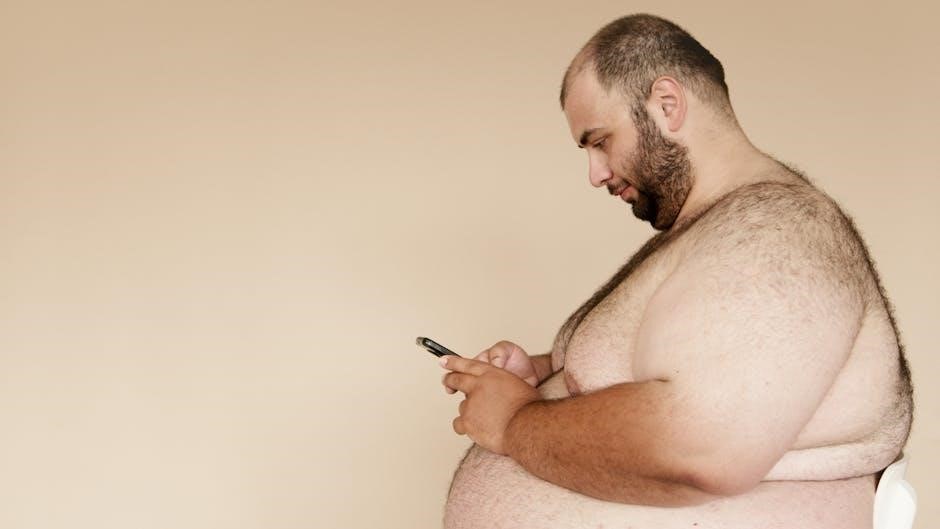
Precisely measuring your waist is vital for selecting correctly fitted pants and other lower-body garments within big & tall sizing․ Stand relaxed, with your feet shoulder-width apart and your arms hanging naturally at your sides․ Avoid sucking in your stomach or expanding your chest, as this will skew the results․
Locate your natural waistline – this is typically the narrowest part of your torso, usually about an inch above your belly button․ Wrap a flexible measuring tape around your waist, ensuring it’s level all the way around․ The tape should be snug but not tight, allowing for comfortable breathing․
Record the measurement in inches․ Similar to chest measurements, if you fall between sizes, consider sizing up for a more comfortable fit, particularly in big sizes․ Double-check your measurement for accuracy․ This step is key to avoiding uncomfortable or ill-fitting pants and ensuring a polished look․
How to Measure Your Sleeve Length
Accurate sleeve length measurement is crucial for shirts and jackets, especially within tall sizing, ensuring a proportionate and comfortable fit․ Begin by standing with your arms relaxed and slightly bent at the elbows․
Have a friend or family member assist you for the most precise measurement․ Start at the center back of your neck, where a shirt collar would naturally sit․ Measure across your shoulder to the shoulder point, then down your arm, following the natural curve, to your wrist bone․
Keep your arm slightly bent during measurement․ Record the measurement in inches․ Tall sizes often feature sleeve length designations like LT, XLT, and so on․ Refer to size charts to correlate your measurement with the appropriate tall size․ A properly fitted sleeve avoids being too short or overly long, enhancing your overall appearance․
How to Measure Your Inseam
Precise inseam measurement is vital for pants and jeans, particularly for tall men, guaranteeing a comfortable and stylish fit․ The most accurate method requires a pair of well-fitting pants currently in your wardrobe․
Lay the pants flat on a smooth surface․ Measure along the inside of the leg, from the crotch seam to the bottom hem․ This distance represents your inseam length․ Alternatively, you can measure from your crotch down to where you want the pants to fall on your shoe․
If measuring directly on your body, stand with your feet shoulder-width apart and wear shoes similar to those you’d typically wear with the pants․ Have someone measure from your crotch to the floor․ Tall sizes utilize inseam designations like LT, XLT, etc․ Consult size charts to match your measurement to the correct tall size․
Brand Variations in Big & Tall Sizing
Sizing inconsistencies are common across brands; a 2X in one label may differ in another․ Always consult specific brand size charts and read reviews carefully․
Online shopping requires extra diligence, utilizing detailed measurements and return policies to ensure a proper fit and avoid frustration․
Recognizing Inconsistent Sizing
Inconsistent sizing is a significant hurdle when shopping for big and tall clothing․ Unlike standard sizes, there’s a noticeable lack of uniformity across different brands and even within the same brand’s product lines․ What you consider a comfortable 2X in one store might feel snug or overly loose in another․
This variability stems from differing manufacturing standards and interpretations of size charts․ Some brands prioritize a more generous cut, while others lean towards a slimmer fit․ Factors like fabric composition and garment construction also contribute to these discrepancies․
Therefore, relying solely on the size label is often misleading․ It’s crucial to treat each brand as having its own unique sizing system․ Always prioritize checking the specific size chart provided by the retailer or manufacturer before making a purchase․ Comparing your measurements to their chart is the most reliable way to determine the correct size․
Furthermore, reading customer reviews can offer valuable insights into how a particular garment fits in reality․ Pay attention to comments regarding sizing accuracy and whether customers recommend sizing up or down․
Tips for Online Shopping
Online shopping presents unique challenges for big and tall men, but with careful planning, it can be a convenient and effective way to find clothing․ Prioritize retailers offering detailed size charts, ideally with measurements in both inches and centimeters․ Don’t simply assume your usual size; always measure yourself accurately and compare to the specific chart․
Look for websites with robust return policies; Given the potential for sizing inconsistencies, the ability to easily return or exchange items is essential․ Check for free shipping and returns to minimize costs associated with trial-and-error sizing․
Read customer reviews diligently, paying attention to comments about fit and sizing accuracy․ Filter reviews by body type or size to find feedback from individuals with similar builds․ Utilize size recommendation tools, if available, but treat them as suggestions rather than definitive answers․
Finally, consider purchasing from brands known for consistent big and tall sizing, even if it means paying a slightly higher price․

Beyond Shirts and Pants: Jackets & Outerwear
Jackets and outerwear require attention to shoulder fit and length for big and tall men, ensuring comfort and style․ Proper fit elevates the look!
Finding the Right Shoulder Fit
Shoulder fit is paramount when selecting jackets and outerwear for big and tall men․ A properly fitted shoulder seam should lie flat and end where your arm naturally begins – it shouldn’t extend past or fall short of this point․
Ill-fitting shoulders restrict movement and distort the garment’s overall shape․ Too-tight shoulders cause strain and discomfort, while overly broad shoulders create a boxy, unflattering silhouette․ Measuring shoulder width accurately is crucial; have a friend assist for precision․
Consider the layering you intend to do․ If you frequently wear sweaters or thicker shirts underneath your jacket, account for this extra bulk when assessing the shoulder fit․ A little extra room is preferable to feeling constricted․ Don’t hesitate to size up if necessary to achieve a comfortable and flattering fit in the shoulders․
Considering Jacket Length
Jacket length significantly impacts the overall proportion and style for big and tall men․ The ideal length depends on the jacket’s design and your personal preference, but a general rule is that it should cover your hips without being excessively long․
Shorter jackets can make the torso appear longer, while longer jackets can create a more streamlined silhouette․ For most body types, a jacket that hits around the mid-fly of your trousers is a safe and flattering choice․
Pay attention to how the jacket length affects your arm swing and range of motion․ Ensure it doesn’t restrict your movements․ Consider the jacket’s intended use; a more casual jacket can be slightly shorter, while a formal coat may benefit from a longer length․ Prioritize comfort and a balanced appearance․