Super Visa Application Form PDF: A Comprehensive Guide (Updated March 30, 2026)
Navigating the Super Visa process requires a detailed understanding of the application form (IMM 5706). Recent discussions highlight compatibility issues with software,
and proper completion is crucial for a successful outcome, as of today, March 30, 2026.
What is a Super Visa?
The Super Visa is a Canadian immigration program allowing parents and grandparents of Canadian citizens or permanent residents to remain in Canada for an extended period – up to two years per visit. Unlike a standard Visitor Visa, the Super Visa doesn’t require applicants to leave Canada after a specific stay, offering greater flexibility for prolonged family visits. It’s designed to reunite families and provide support, whether emotional or practical, to Canadian relatives.
However, obtaining a Super Visa isn’t automatic. It necessitates a thorough application process, including completing the official application form (IMM 5706) accurately and providing substantial supporting documentation. Recent online discussions, as of March 30, 2026, indicate potential software compatibility issues when submitting digitally, emphasizing the importance of careful review. The process involves both the applicant and a Canadian sponsor, each with specific eligibility criteria and document requirements. Understanding these nuances is vital to avoid delays or refusals. The Super Visa is a significant pathway for families, but demands diligent preparation and adherence to Immigration, Refugees and Citizenship Canada (IRCC) guidelines.
Eligibility Requirements for Super Visa Applicants
To qualify for a Super Visa, applicants must demonstrate they are genuine visitors who will leave Canada at the end of their authorized stay. This involves proving strong ties to their country of residence, such as property ownership, employment, and family responsibilities. Applicants must also be admissible to Canada, meaning they don’t have a criminal record or pose a security risk.
A crucial aspect is demonstrating sufficient funds to support themselves during their stay and for their return trip. Financial documentation is paramount. As of March 30, 2026, ensuring all submitted documents are current and accurately reflect the applicant’s financial situation is vital, given reported software issues with form submissions. Applicants must also undergo a medical examination to confirm they are not a public health risk. Completing the IMM 5706 form correctly, alongside providing all required supporting documents, is essential. Ultimately, eligibility hinges on convincing an immigration officer of the applicant’s intent to temporarily visit Canada.
Eligibility Requirements for the Canadian Sponsor
Canadian sponsors play a pivotal role in the Super Visa application process. To be eligible, sponsors must be Canadian citizens or permanent residents in good standing. They must be 18 years of age or older and reside in Canada. A key requirement is a demonstrable ability to financially support the applicant during their stay, evidenced by meeting minimum income thresholds established by Immigration, Refugees and Citizenship Canada (IRCC).
Sponsors must also prove they have a genuine relationship with the applicant, typically as a parent or grandparent. As of March 30, 2026, meticulous attention to detail when completing the sponsorship portion of the IMM 5706 form is crucial, especially considering recent reports of software compatibility issues. Sponsors cannot be receiving social assistance or be in bankruptcy. Providing accurate and complete documentation is paramount to avoid delays or refusals. The sponsor’s commitment serves as a financial guarantee and assurance of the applicant’s temporary intent.
Required Documents: Applicant Checklist
A comprehensive document package is essential for a successful Super Visa application. Applicants must submit a completed Application for Visitor Visa (IMM 5257) and the Family Information Form (IMM 5707). A valid passport with at least six months of validity remaining is mandatory, alongside passport-sized photographs meeting specific IRCC requirements. Proof of funds demonstrating sufficient financial resources to cover travel and living expenses is critical, including bank statements and investment records.
Furthermore, applicants need a detailed letter of invitation from their Canadian sponsor, outlining the purpose of the visit and accommodation arrangements. Medical examinations may be required, depending on the applicant’s country of origin and length of stay. As of March 30, 2026, ensuring all documents are translated into English or French, if necessary, and properly formatted is vital, given recent reports of issues with form processing. Careful review against the official IRCC checklist is highly recommended.
Required Documents: Sponsor Checklist
Canadian sponsors play a pivotal role in the Super Visa process and must provide a robust set of documents. This includes proof of Canadian status – a Canadian birth certificate, citizenship card, or permanent resident card. Sponsors must submit proof of income, such as Notice of Assessments from the Canada Revenue Agency (CRA), and employment letters confirming their financial stability. Bank statements demonstrating sufficient funds to support the applicant during their stay are also essential.
A detailed letter of invitation is crucial, outlining the relationship to the applicant, the purpose of the visit, and the duration of the intended stay. Sponsors must also complete the Sponsorship Declaration (IMM 1344) and provide any relevant documentation regarding their family members. As of March 30, 2026, ensuring all documents are current and accurately reflect the sponsor’s financial situation is paramount, especially considering recent reports of application scrutiny.
Completing the Super Visa Application Form (IMM 5706)
The IMM 5706, the core Super Visa application form, demands meticulous attention to detail. Ensure all sections are completed accurately and truthfully, using black ink if submitting a paper application. Pay close attention to questions regarding personal history, family information, and travel details. Any inconsistencies or omissions can lead to delays or refusal.
Digital submissions require careful file naming conventions and adherence to specified file formats (typically PDF). As of March 30, 2026, double-check all answers, particularly those relating to previous visa applications and any criminal history. Recent online discussions highlight the importance of clarity and conciseness. Avoid ambiguous language and provide comprehensive responses; Remember to sign and date the form appropriately, and review the completed document thoroughly before submission. A well-prepared IMM 5706 significantly increases the chances of a successful application.
Understanding the IMM 5706 Sections
The IMM 5706 form is divided into distinct sections, each requiring specific information. Section 1 focuses on personal details of the applicant, including name, date of birth, and marital status. Section 2 delves into family information, requesting details about parents, siblings, and spouse. Section 3 covers travel history, demanding a comprehensive record of past international travel.
Subsequent sections address the purpose of the visit, intended length of stay, and financial resources. A crucial part involves detailing any previous immigration or visa applications. Understanding the nuances of each section is paramount. As of March 30, 2026, online forums suggest applicants carefully review the instructions accompanying each section. Accurate completion, coupled with supporting documentation, is vital. Ignoring a section or providing incomplete information can significantly hinder the application process, leading to potential refusals.

Financial Requirements & Proof of Funds
Demonstrating sufficient funds is a cornerstone of the Super Visa application. Immigration, Refugees and Citizenship Canada (IRCC) requires applicants to prove they can financially support themselves and any accompanying family members during their stay in Canada. The required amount varies based on family size, but generally, applicants must show funds equivalent to approximately CAD $15,000 per year, plus an additional amount for each dependent.
Acceptable proof of funds includes bank statements, investment portfolios, and evidence of pension income. These documents must be recent and clearly display the applicant’s name and account balance. As of March 30, 2026, IRCC emphasizes the importance of verifiable documentation. Applicants should avoid relying solely on informal sources of income or assets. Providing comprehensive and transparent financial evidence significantly strengthens the application and minimizes processing delays.
Medical Examination Requirements
A crucial component of the Super Visa application is the medical examination. IRCC mandates that applicants undergo a medical assessment conducted by a panel physician approved by the Canadian government. This examination assesses the applicant’s health status to ensure they do not pose a public health risk to Canada. The scope of the examination typically includes a physical assessment, chest X-ray, and potentially blood tests or other specialized investigations.
As of March 30, 2026, applicants must schedule and complete their medical examination after receiving an instruction letter from IRCC. The results are sent directly to the visa office processing the application. It’s vital to use a designated panel physician to guarantee the validity of the results. Failure to comply with medical examination requirements, or a finding of inadmissibility based on health grounds, can lead to application refusal. Applicants should retain a copy of their medical examination report for their records.
Letter of Invitation from the Canadian Sponsor
A formal Letter of Invitation from the Canadian sponsor is a pivotal document within the Super Visa application package. This letter demonstrates the sponsor’s genuine intention to host their parents or grandparents and confirms their ability to provide support during the visit. The letter should clearly state the sponsor’s full name, date of birth, address, and contact information, alongside their immigration status in Canada (citizen or permanent resident).
Crucially, the invitation must detail the length of the intended stay, a description of the relationship with the applicant, and a commitment to provide financial support for their accommodation, healthcare, and overall well-being. As of March 30, 2026, the letter should also explicitly mention any previous Super Visa applications made by the applicant. A well-crafted letter strengthens the application and showcases the sponsor’s sincere desire to facilitate their family member’s visit to Canada.
The Role of the Affidavit of Support
The Affidavit of Support (IMM 5706) is a legally binding document central to the Super Visa application, demonstrating the Canadian sponsor’s financial commitment to supporting their visiting parents or grandparents. It’s a crucial element, especially considering recent discussions around application scrutiny as of March 30, 2026. This form requires detailed financial information from the sponsor, including income statements, employment letters, and proof of assets.
The sponsor affirms their ability to cover potential costs related to medical care and any unforeseen expenses during the applicant’s stay. It’s vital the affidavit accurately reflects the sponsor’s financial situation, as misrepresentation can lead to application refusal. The document essentially assures Immigration, Refugees and Citizenship Canada (IRCC) that the applicant won’t become a burden on Canada’s social assistance programs. A properly completed Affidavit of Support significantly bolsters the application’s credibility and increases the chances of approval.
Submitting Your Super Visa Application
Once the IMM 5706 form and all supporting documents are meticulously prepared – a process often complicated by software compatibility issues as noted on March 30, 2026 – the application can be submitted. Currently, IRCC primarily accepts applications online through the Secure Account portal. Creating an account is the first step, followed by completing the electronic application form and uploading all required PDFs.
Ensure all documents are clear, legible, and translated into English or French if originally in another language. Pay close attention to file size and format requirements specified by IRCC. After submission, you’ll receive an Acknowledgement of Receipt (AOR). Retain this for your records. Some applications may require biometric data collection; IRCC will provide instructions if needed. Careful adherence to submission guidelines minimizes processing delays and potential refusals. Double-check everything before finalizing!
Super Visa Processing Times (Current Estimates)
As of March 30, 2026, Super Visa processing times fluctuate considerably based on the visa application centre (VAC) and overall application volume. IRCC provides estimated processing times on its website, but these are subject to change. Currently, the standard processing timeframe ranges from 6 to 12 months, though complexities arising from document verification or incomplete applications can extend this significantly.

Recent online discussions highlight potential delays linked to software compatibility issues during the PDF submission process, potentially adding to overall wait times. Monitoring your application status through the IRCC online portal is crucial. Be aware that processing times do not include time spent on document review or requests for additional information. Patience is key, and proactively checking for updates is recommended. Expect potential variations based on your country of residence.
Common Application Refusal Reasons
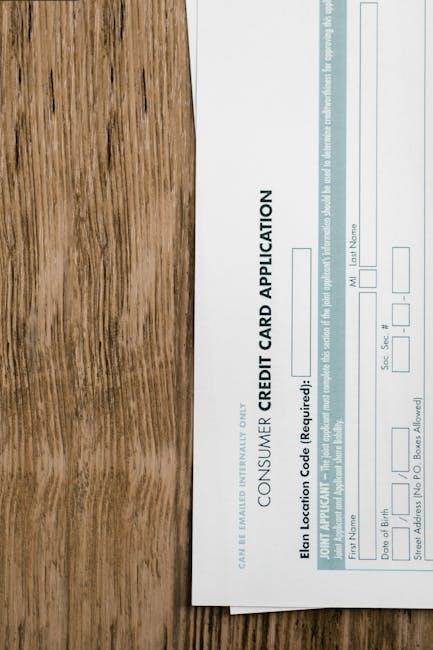
Super Visa applications can be refused for several reasons, often stemming from incomplete or inaccurate information on the IMM 5706 PDF form. Insufficient proof of funds is a frequent issue; applicants must demonstrate adequate financial resources to support themselves and any accompanying family members during their stay in Canada.
IRCC also scrutinizes the genuineness of the relationship between the applicant and their Canadian sponsor. Concerns about the sponsor’s ability to provide support, or doubts regarding the applicant’s intention to leave Canada at the end of their authorized stay, are common grounds for refusal. Technical issues with the submitted PDF, like unreadable scans or corrupted files, can also lead to rejection. Ensure all documents are clear, complete, and accurately translated if necessary. Failing to address any potential concerns proactively significantly increases the risk of refusal.
Addressing Super Visa Refusals
Receiving a Super Visa refusal is disheartening, but not necessarily final. Carefully review the refusal letter; it outlines the specific reasons for the decision, often linked to issues within the IMM 5706 application or supporting documentation. Addressing these concerns is crucial for a successful reconsideration or reapplication.

Gather additional evidence to counter the stated reasons. If funds were questioned, provide updated bank statements or proof of additional financial resources. If the genuineness of the relationship with the sponsor was doubted, submit further evidence like photos, communication records, and joint financial commitments. A well-written letter addressing each concern, referencing specific documents, is vital.
Consider seeking legal advice from an immigration lawyer to assess your options and ensure your response is comprehensive and legally sound. Re-submitting a corrected IMM 5706 PDF with compelling evidence significantly improves your chances of approval.
Super Visa Validity and Extensions
A Super Visa, once approved based on a correctly completed IMM 5706 application, typically grants multiple entries and is valid for up to ten years, or until the applicant’s passport expires, whichever comes first. However, each visit to Canada cannot exceed six months. This extended validity distinguishes it from a standard visitor visa.
Extending a Super Visa stay beyond six months is generally not permitted. Applicants intending to stay longer must depart Canada and reapply, submitting a new IMM 5706 form and updated documentation. Circumstances allowing extensions are extremely limited and usually involve compelling humanitarian or medical reasons.
Maintaining valid status is crucial. Overstaying a Super Visa can have severe consequences, impacting future Canadian immigration applications. Regularly checking the expiry date and planning departures accordingly is essential. Accurate record-keeping of entry and exit dates is also highly recommended.
Super Visa and Canadian Healthcare
A critical aspect for Super Visa applicants, confirmed through the IMM 5706 form process, is understanding healthcare access in Canada. Generally, Super Visa holders are not entitled to publicly funded healthcare services. This means costs for medical treatment, including hospital visits and doctor’s appointments, are the applicant’s responsibility.

Comprehensive medical insurance is, therefore, mandatory for Super Visa applicants. Proof of valid Canadian health insurance coverage is a key requirement during the application process and upon entry into Canada. The insurance must be valid for the duration of the intended stay and provide adequate coverage;

Applicants should carefully review their insurance policy to ensure it covers all potential medical expenses, including emergency situations. Relying solely on travel insurance may be insufficient; dedicated Canadian health insurance for visitors is recommended. Failing to secure adequate coverage can lead to substantial medical bills.
Resources and Official Links for Super Visa Information
Furthermore, IRCC offers a dedicated helpline for application support. While wait times can vary, it’s a valuable resource for specific questions. Remember to consult official sources only, as information on third-party websites may be outdated or inaccurate. Staying informed is crucial for a smooth application process.