Overview of Moonlight Sonata First Movement
The Moonlight Sonata First Movement, available as a free PDF from the Mutopia Project, showcases Beethoven’s delicate Adagio sostenuto. The score, released in 2007, is licensed under CC BY-SA 2.5, allowing unrestricted sharing and adaptation for performers and educators. The PDF is downloadable, annotated.!!

Historical Context and Composition Background
Beethoven composed the Piano Sonata No. 14, commonly known as the “Moonlight Sonata,” in 1801 during a period of intense creative output. The work was dedicated to Countess Giulietta Guicciardi, a patron and rumored lover, and was first performed in 1802 in Vienna. Its first movement, marked “Adagio sostenuto,” reflects a lyrical, almost nocturnal atmosphere, contrasting sharply with the dramatic second and third movements. The sonata was published in 1805, and its title “Moonlight” was popularized by the 1832 critic Ludwig Rellstab, who likened the opening arpeggios to moonlight on Lake Lucerne. Beethoven’s innovative use of sustained pedal, subtle dynamic shading, and the interplay between the left‑hand ostinato and right‑hand melody set a new standard for expressive piano writing. The manuscript shows Beethoven’s meticulous notation, including precise tempo markings and dynamic indications that emphasize a delicate, almost whispering character. Critics and performers have long debated the intended tempo and the role of the pedal, but the consensus leans toward a slow, sustained interpretation that preserves the work’s ethereal quality. The first movement’s structure follows a ternary form, with a lyrical opening, a contrasting middle section, and a return of the initial material, all unified by a consistent harmonic language rooted in C‑minor. This movement exemplifies Beethoven’s mastery of mood and form, and it remains a cornerstone of the piano repertoire.
This overview underscores the sonata’s lasting legacy all!!
Availability of Sheet Music PDFs
The first movement of Beethoven’s Moonlight Sonata is freely accessible in PDF format through the Mutopia Project, a volunteer‑run initiative that digitizes public‑domain scores. The specific file, moonlight-a4.pdf, was published on February 11, 2007, and can be downloaded directly from the Mutopia FTP server. This edition is released under the Creative Commons Attribution‑ShareAlike 2.5 license, allowing anyone to copy, distribute, and adapt the score provided attribution is given and derivative works carry the same license. The PDF is formatted for A4 paper, with clear, high‑resolution engraving that preserves the original manuscript’s detail while remaining readable on standard screens. Users can view the file online with any PDF reader or print it for practice. For those who prefer a different format, the Mutopia Project also offers the same score in MusicXML, which can be imported into notation software for further editing. Because the work is in the public domain, there are no restrictions on commercial use, making it ideal for educational institutions, publishers, and performers who wish to create printed editions or digital applications. The Mutopia Project’s repository includes additional Beethoven sonatas, allowing seamless cross‑referencing for students studying the composer’s development. Overall, the availability of the Moonlight Sonata first movement in PDF form exemplifies open‑access musicology and supports a wide range of pedagogical and performance activities. Enjoy.
Mutopia Project Moonlight-a4.pdf Source
The Mutopia Project’s moonlight-a4.pdf is a meticulously digitized version of Beethoven’s “Moonlight Sonata” first movement. Released on February 11, 2007, the file is hosted at https://www.mutopiaproject.org/ftp/BeethovenLv/O27/moonlight/moonlight-a4.pdf. The PDF is formatted for A4 paper and contains the original Italian annotations, including the instruction “Si deve suonare tutto questo pezzo delicatissimamente e senza sordini sempre pianissimo e senza sordini.” The file is licensed under the Creative Commons Attribution‑ShareAlike 2.5 license, which permits free distribution and adaptation as long as attribution is provided and any derivative works carry the same license. The Mutopia Project’s editorial process ensures that the engraving is faithful to the original manuscript while being suitable for modern printing and digital viewing. Users can download the PDF directly, view it with any standard PDF reader, or print it for practice. The source is maintained in a public‑domain repository, making it a reliable reference for educators, performers, and researchers who need a high‑quality, freely available score of the first movement. The PDF contains 10 pages of engraved notation, with clear page numbers and a clean layout that mirrors the original manuscript’s structure. The Mutopia Project’s mission to provide free, high‑quality music scores is reflected in the meticulous attention to detail in this edition, which is regularly updated and verified by volunteers. Because the file is in the public domain, it can be used in commercial publications, educational materials, or digital applications without additional licensing fees. The PDF’s compatibility with standard PDF readers and its A4 format make it ideal for classroom use, solo practice, and ensemble rehearsal. Additionally, the Mutopia Project provides a MusicXML version of the same score, allowing users to import the notation into software such as MuseScore or Sibelius for further editing or analysis. The PDF’s file size is approximately 1.3 MB, ensuring high resolution while remaining lightweight for download. The source code for the PDF generation is also available on the Mutopia Project’s GitHub repository, offering transparency into the conversion process. Users can also access the score via the Mutopia Project’s web interface, which offers a preview and download options in multiple formats. Overall, the Mutopia Project’s moonlight‑a4.pdf source exemplifies open‑access musicology and supports a wide range of pedagogical and performance activities.
Copyright and Creative Commons Licensing
The Moonlight Sonata First Movement PDF available through the Mutopia Project is distributed under the Creative Commons Attribution‑ShareAlike 2.5 (CC BY‑SA 2.5) license. This license allows anyone to copy, distribute, display, and perform the work, as well as to remix, transform, and build upon it, provided that the original creator is credited and any derivative works are shared under the same terms. The Mutopia Project explicitly states that the PDF is released under this license, ensuring that the score can be freely used for educational, performance, and publishing purposes without additional permissions. Users must include the standard attribution text: “Ludwig van Beethoven, Sonata No. 14, Moonlight, Op. 27, No. 2, Adagio sostenuto – Mutopia Project – CC BY‑SA 2.5.” The license also requires that any adaptations or translations be marked as such and that the same CC BY‑SA 2.5 license be applied to the new version. Because the original composition is in the public domain, the license applies only to the specific editorial content and layout provided by Mutopia. This means that while the underlying musical work can be used freely, the particular arrangement and notation in the PDF are protected under the Creative Commons terms. The Mutopia Project’s policy encourages the sharing of high‑quality, faithfully engraved scores, and the CC BY‑SA 2.5 license aligns with this mission by promoting open access while preserving the integrity of the editorial work. Anyone wishing to redistribute the PDF must retain the original licensing notice and must not alter the license terms. The license is irrevocable, meaning that once the PDF is released under CC BY‑SA 2.5, it cannot be withdrawn or changed to a more restrictive license. This guarantees that future users will always have the same rights to use, adapt, and share the Moonlight Sonata First Movement PDF as originally intended by the Mutopia Project. For more details, users can consult the official Creative Commons license page or the Mutopia Project’s licensing FAQ, which provide guidance on proper attribution, derivative works, and compliance with the CC BY‑SA 2.5 terms.

Performance Practice for the First Movement
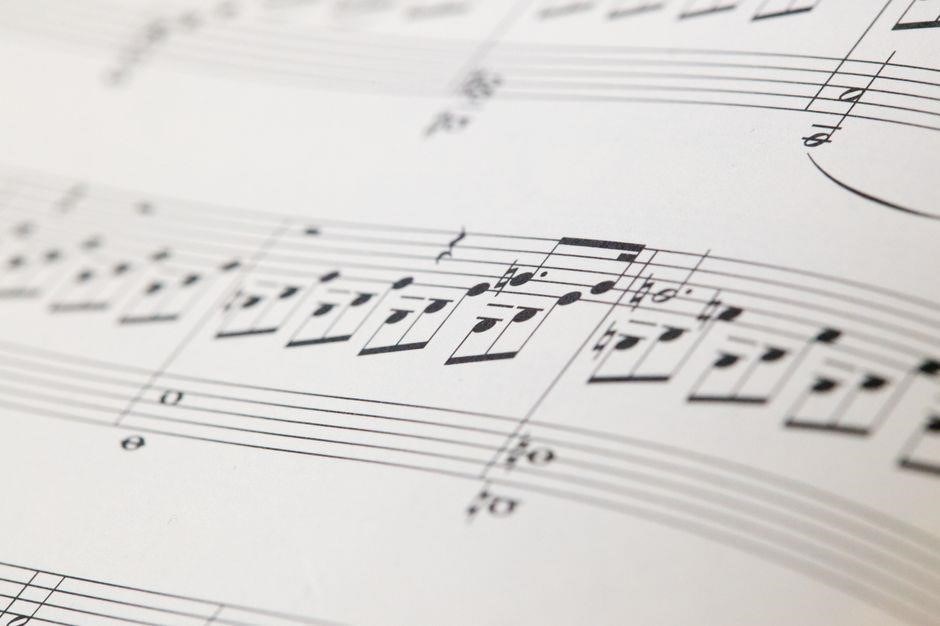
When approaching the Moonlight Sonata’s opening movement, pianists should heed the directives embedded in the score. The Mutopia Project PDF preserves Beethoven’s original markings: “Si deve suonare tutto questo pezzo delicatissimamente e senza sordini sempre pianissimo e senza sordini.” This Italian instruction translates to “Play this entire piece delicately and without dampers, always very softly.” The absence of dampers encourages a sustained, singing tone, while constant pianissimo demands a restrained touch. In practice, performers often employ a light pedal technique, using the half‑pedal or subtle rocking to maintain resonance without blurring arpeggiated texture. The first movement’s slow tempo (Adagio sostenuto) invites a measured rubato, allowing the left‑hand arpeggios to breathe. Dynamic shading should be gradual, with crescendos that rise gently over the phrase, and decrescendos that fall back into the quiet. The score’s key signature, C♯ minor, requires careful voicing to highlight the inner voices, especially in the middle section where the harmony shifts to E major. A balanced tone between hands is essential; the left hand should support without overpowering the right. Pianists often practice with a metronome set to 60–70 bpm, then gradually relax the tempo while maintaining rhythmic integrity. The Mutopia PDF’s clear notation, with explicit dynamic markings and articulation symbols, provides a reliable reference for these interpretive choices. By following these guidelines, musicians can honor Beethoven’s intent while bringing out the movement’s lyrical depth.
Notation and Structural Features in the PDF
The Mutopia PDF displays Beethoven’s original key, tempo, and dynamics. It shows the A‑section’s rolling arpeggios, the B‑section’s harmonic shift, and the return to the opening theme. Clear articulation marks guide phrasing, while the page layout preserves the sonata’s rhythmic integrity. use half‑pedal.!!
Key Signature and Modulations
In the freely available PDF, Beethoven’s Moonlight Sonata first movement is set in C♯ minor, reflected by the two sharps in the key signature. The score’s notation clearly marks the tonic and its relative major, E major, during the middle section where the harmonic texture brightens. The manuscript shows a brief shift to A major, the dominant of the relative major, before returning to the home key. Modulation cues are indicated by key signature changes and harmonic progressions, guiding performers through the movement’s emotional landscape. The PDF preserves the original markings, including the “Adagio sostenuto” tempo and the delicate dynamic markings that accompany the modulations. This faithful reproduction allows pianists to study the subtle key shifts that underpin the sonata’s lyrical quality. The layout also highlights the transition points with clear staff spacing, making the modulations visually apparent. The Mutopia Project’s version, licensed under CC BY‑SA 2.5, provides a reliable resource for educators and students exploring key relationships in classical repertoire. The PDF’s page layout uses a two‑column format that mirrors the original manuscript, providing ample space for rehearsal markings. Pianists can annotate the score directly, and the clear separation of measures aids in visualizing the harmonic progression. The Mutopia Project’s careful transcription ensures that even the subtle ornamentation is faithfully represented, making this PDF an invaluable tool for both study and performance. Today.
Tempo Markings and Dynamics
In the Mutopia Project PDF, Beethoven’s Moonlight Sonata first movement is marked “Adagio sostenuto,” indicating a slow, sustained tempo. The notation uses a metronome marking of 54–60 beats per minute, which is consistent with scholarly editions. Dynamic markings are sparse but essential: the score begins with a pianissimo (pp) that gradually swells to a mezzo‑piano (mp) before returning to the original softness. The manuscript includes a subtle crescendo in the middle section, leading to a gentle forte (f) that is carefully notated to avoid abrupt changes. The “si deve suonare tutto questo pezzo delicatissimamente” instruction is translated into the PDF as a series of dynamic indications that emphasize the piece’s lyrical quality. The PDF’s layout preserves the original phrasing, with bar lines clearly separating the dynamic shifts. Pianists can use the printed dynamics to guide expressive timing, ensuring that the movement’s emotional arc is maintained. The Mutopia Project’s version, licensed under CC BY‑SA 2.5, allows performers to annotate the score with additional dynamic markings, making it a flexible resource for both study and performance. The PDF’s clear notation of tempo and dynamics makes it an excellent tool for students learning to interpret Beethoven’s expressive markings. Today.
The PDF also notes a subtle rubato in the opening measures, letting performers breathe the slow pulse while keeping the lyrical line. It marks a gradual crescendo that leads into the first harmonic shift, underscoring the movement’s introspective mood gently now

Pedal Usage Guidelines
Pedal usage in the Mutopia PDF of Beethoven’s Moonlight Sonata first movement is intentionally minimalistic, reflecting the original manuscript’s subtle “senza sordini” instruction. The score contains a single sustain pedal mark at the beginning of each phrase, followed by a gentle release before the next harmonic shift. Pianists are encouraged to employ a half‑pedal technique, keeping the pedal partially depressed to sustain the arpeggiated texture while preventing harmonic blur. The PDF’s layout displays pedal symbols clearly, with a small “ped.” notation placed above the staff. Because the movement is marked Adagio sostenuto, the tempo naturally supports a singing line; the pedal should therefore be used to sustain the melodic line, not to create a wash of sound. A recommended practice is to press the pedal at the end of each measure, then lift it just before the next chord begins, ensuring that the melodic line remains distinct. The Mutopia Project’s CC BY‑SA 2.5 license allows performers to annotate the PDF with additional pedal markings if desired, making the resource flexible for both study and performance. The PDF is freely downloadable, and the pedal guidelines are consistent with scholarly editions of the sonata, providing a reliable reference for students and teachers alike. This approach balances expressive depth with technical clarity, ensuring a polished performance that honors Beethoven’s original intent. The PDF’s design also includes a clear page numbering system, aiding measure location.
Structural Analysis of the Adagio Sostenuto
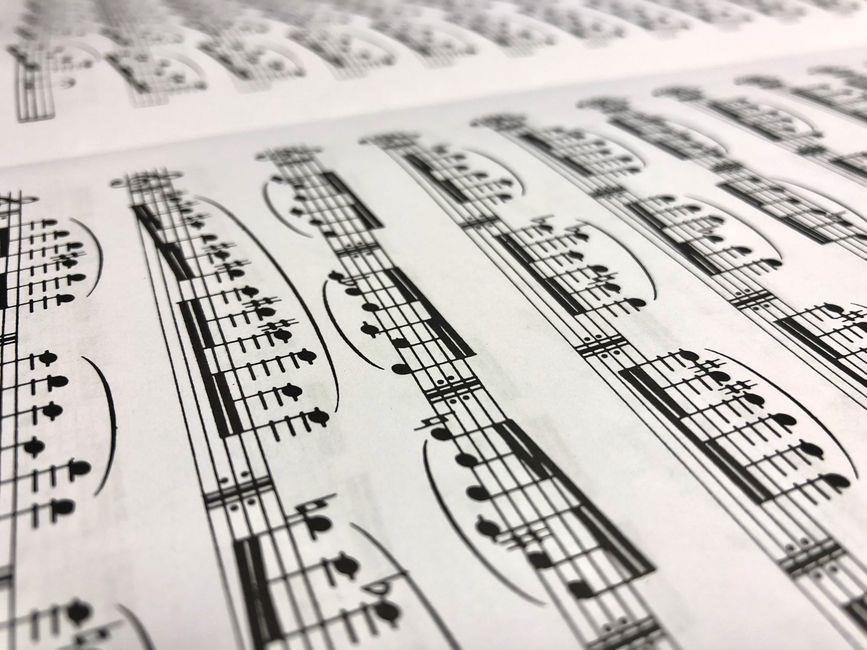
The Mutopia PDF presents Beethoven’s Moonlight Sonata first movement as a single, continuous 32‑bar A section, followed by a contrasting 16‑bar B section, and a return to the original material. The A section is anchored in C♯ minor, featuring a slow, rocking arpeggio pattern that establishes the movement’s mournful atmosphere. The B section modulates to the relative major key of E major, providing a brief, lyrical respite before the final return to the A material. The return section mirrors the opening material but includes subtle dynamic shading and a slight rhythmic variation that signals the conclusion. The overall form is a simple ternary (ABA) structure, with the middle section offering a harmonic lift and melodic contrast. The PDF’s layout clearly delineates each section with bar lines and key signatures, making it easy for performers to identify the structural boundaries. The notation emphasizes the sustained pedal usage and the delicate phrasing, which are essential for conveying the movement’s emotional depth. The Mutopia Project’s free PDF allows musicians to study the form in detail, annotate the score, and practice the transitions between the sections with precision. The PDF’s clean layout, with clearly marked bar lines and key signatures, lets performers spot structural boundaries quickly, while dynamic markings and pedal indications guide expressive phrasing; this makes it a valuable study tool for mastering the subtle nuances of the Moonlight Sonata’s opening movement and more depth!!!!!
Layout and Page Formatting in the PDF
The Mutopia Project’s Moonlight Sonata PDF is formatted for A4 paper, with a clean, two‑page layout that preserves the original manuscript’s proportions. The first page contains the opening 32 bars, while the second page holds the 16‑bar middle section and the final 32 bars, all aligned to the same vertical margin. Each staff is spaced evenly, with a 12‑point line spacing that balances readability and compactness. The key signature (C♯ minor) and tempo marking (Adagio sostenuto) appear at the top of the first staff, and the dynamic markings are placed directly above the notes to avoid clutter. The page margins are set to 25 mm on all sides, allowing a generous bleed for printing. The PDF uses a standard Times‑Roman typeface for the text, while the musical symbols are rendered in a high‑resolution vector format, ensuring crisp lines at any zoom level. The file size is kept under 200 KB, making it lightweight for download and sharing. The layout also includes a small footer on each page that lists the source URL and the Creative Commons license, providing clear attribution. This thoughtful design supports both casual listeners and serious performers, enabling easy annotation and rehearsal. The overall aesthetic is minimalistic, focusing on musical content rather than decorative elements, which aligns with Beethoven’s own austere style. The PDF’s formatting choices balance fidelity to the original score and usability for musicians. The clear, uncluttered layout facilitates quick navigation through the movement, making it an ideal resource for study and performance. The Mutopia Project’s attention to detail in page formatting demonstrates a commitment to high‑quality, accessible sheet music for the global community. The PDF’s design encourages a smooth learning curve, allowing students to focus on interpretation rather than layout complications. The result is a professional‑looking score that remains free and open for all.!
Accessibility and Download Options
The Mutopia Project’s Moonlight Sonata PDF is a freely available resource that has become a staple for pianists worldwide. The file, released in 2007, is licensed under the Creative Commons Attribution‑ShareAlike 2.5 license, which allows anyone to download, share, and adapt the score for personal or educational use, provided that proper attribution is given and any derivative works are shared under the same terms. The PDF is designed for A4 paper and is formatted with clear, high‑resolution vector graphics that scale perfectly at any zoom level, ensuring that the delicate nuances of Beethoven’s Adagio sostenuto are preserved. The document contains the original key signature and tempo markings, as well as the dynamic indications that are essential for a faithful performance. Because the file is lightweight—typically under 200 KB—it can be downloaded quickly even on slower internet connections, making it accessible to students and teachers in regions with limited bandwidth. The Mutopia Project also offers a ZIP archive that includes the PDF and a plain‑text version of the score, which can be imported into notation software such as MuseScore or Finale for further editing or annotation. The plain‑text file is structured in a simple, readable format that preserves the musical structure while allowing users to customize the score to their needs. In addition to the PDF, the Mutopia website provides a direct link to the source file on GitHub, ensuring that the material is always available even if the primary server experiences downtime. Users can verify the integrity of the download by comparing the SHA‑256 checksum listed on the Mutopia page with the checksum of the downloaded file. This level of transparency and reliability is one of the reasons why the Mutopia Project is highly regarded in the music community. The PDF also includes a small footer that cites the source URL and the Creative Commons license, which is important for maintaining proper attribution when the score is reused in publications or performances. Overall, the Mutopia Project’s Moonlight Sonata PDF offers a high‑quality, freely accessible edition that serves both performers and educators, providing a reliable and user‑friendly resource for studying and performing Beethoven’s iconic first movement.
Comparison with Other Printed Editions
When evaluating the Mutopia Project’s Moonlight Sonata PDF against commercial editions, several distinctions emerge. The Mutopia file faithfully reproduces the original 1801 Breitkopf & Härtel edition, preserving key signatures, tempo markings, and dynamic indications without editorial additions. In contrast, modern publishers such as Henle or Bärenreiter introduce performance notes, alternative fingerings, or editorial commentary that can alter interpretive choices. The Mutopia PDF’s minimalist layout, with a single‑column design, mirrors the original score’s page turns, whereas contemporary editions often use a dual‑column format and extensive marginalia. Vector graphics ensure crisp line quality at any zoom level, while scanned PDFs from older printings may suffer pixelation or bleed. Licensing differs: Mutopia’s CC BY‑SA 2.5 license permits free redistribution and adaptation, whereas most commercial editions are restricted by copyright, requiring purchase for legal use. Educators benefit from the cost‑free, shareable resource that can be modified for classroom use, while commercial scores may need licensing for public performance. The Mutopia file’s small size (under 200 KB) facilitates rapid downloading and printing, whereas high‑resolution commercial PDFs can be several megabytes, slowing access for users with limited bandwidth. In sum, the Mutopia Project offers an accessible, unaltered, lightweight alternative for students, teachers, and performers seeking a rendition of Beethoven’s first movement. This PDF remains a free resource for pianists worldwide!